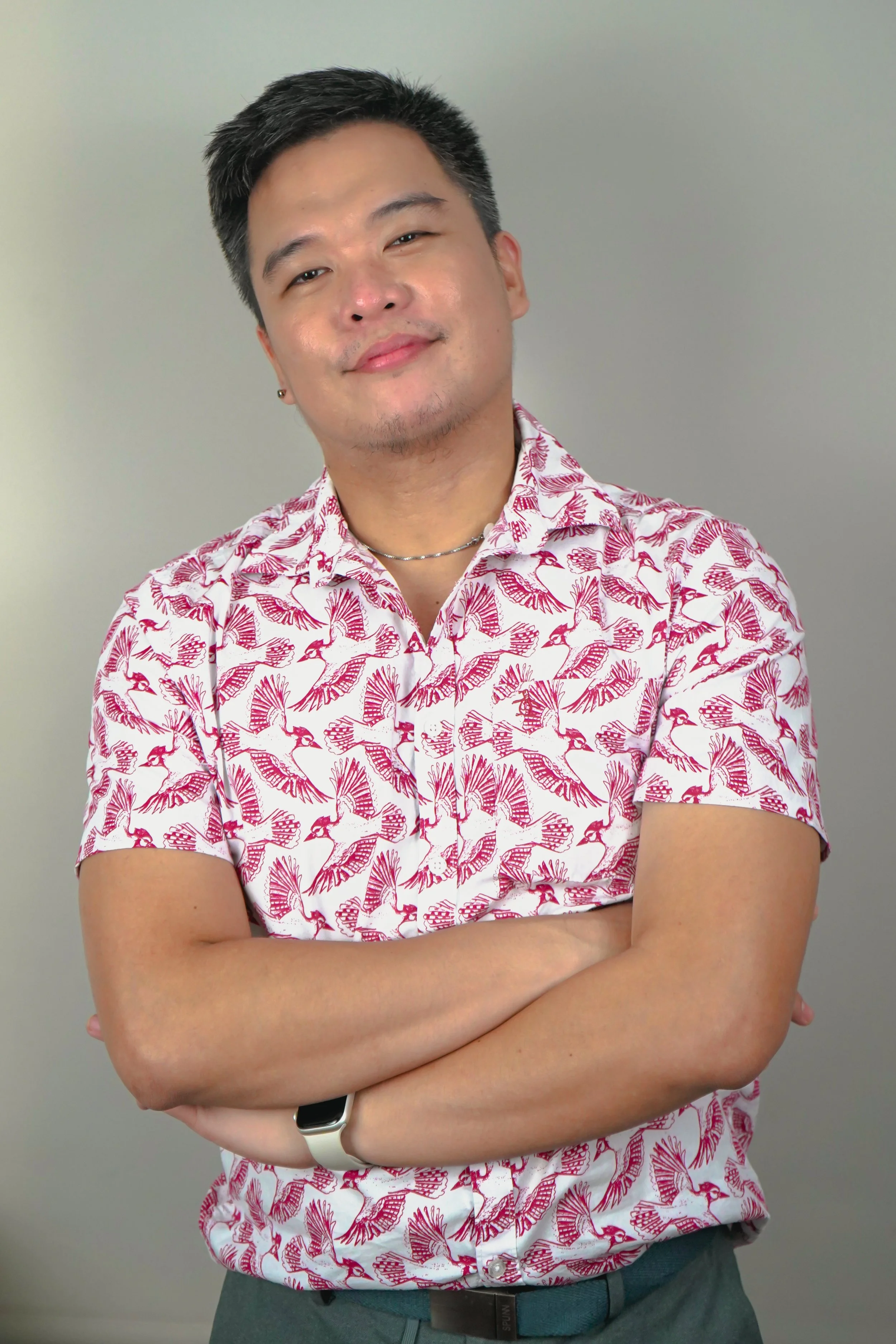
Michael Vincent Mercado, Center for Disaster Preparedness / Possible Now Stitching Fellow (Philippines)
On the road to Kathmandu, everything I'm working on is trying to do the same thing, but from different angles: make visible what the old system has been looking past. This is in how we resource community work, in what we choose to measure, and in the stories we tell about both. When communities can tell a different story about what they already carry, what gets counted changes. And when what gets counted changes, what gets resourced follows. These aren't three separate problems, they are the same ecosystem, asking to be seen whole. And I'm patiently figuring out how to tend to it from this corner of the world.
The Summit matters right now because the old story is fracturing, and what grows in those cracks is still being decided. I hope Kathmandu is the moment when the emergent stops being a series of beautiful exceptions and becomes recognizable as a pattern: something that was always happening, in many gardens at once, that just hadn't been in the same room long enough to recognize itself.
Possible Now, for me, is permission to stop translating and to start pointing at what's already here, already full, already moving. In the Philippines, the language the world now calls "localization" was never an innovation: it was always being spoken, in social movements, in people's organizations, in ways of organizing that predate any external framework. What's new is not the practice but the recognition. And the problem with recognition, when it arrives without resources, is that it names the garden without feeding it. What I hope Possible Now is reaching toward is a reconciliation, between the praxis communities have long carried and the resourcing that makes it sustainable.